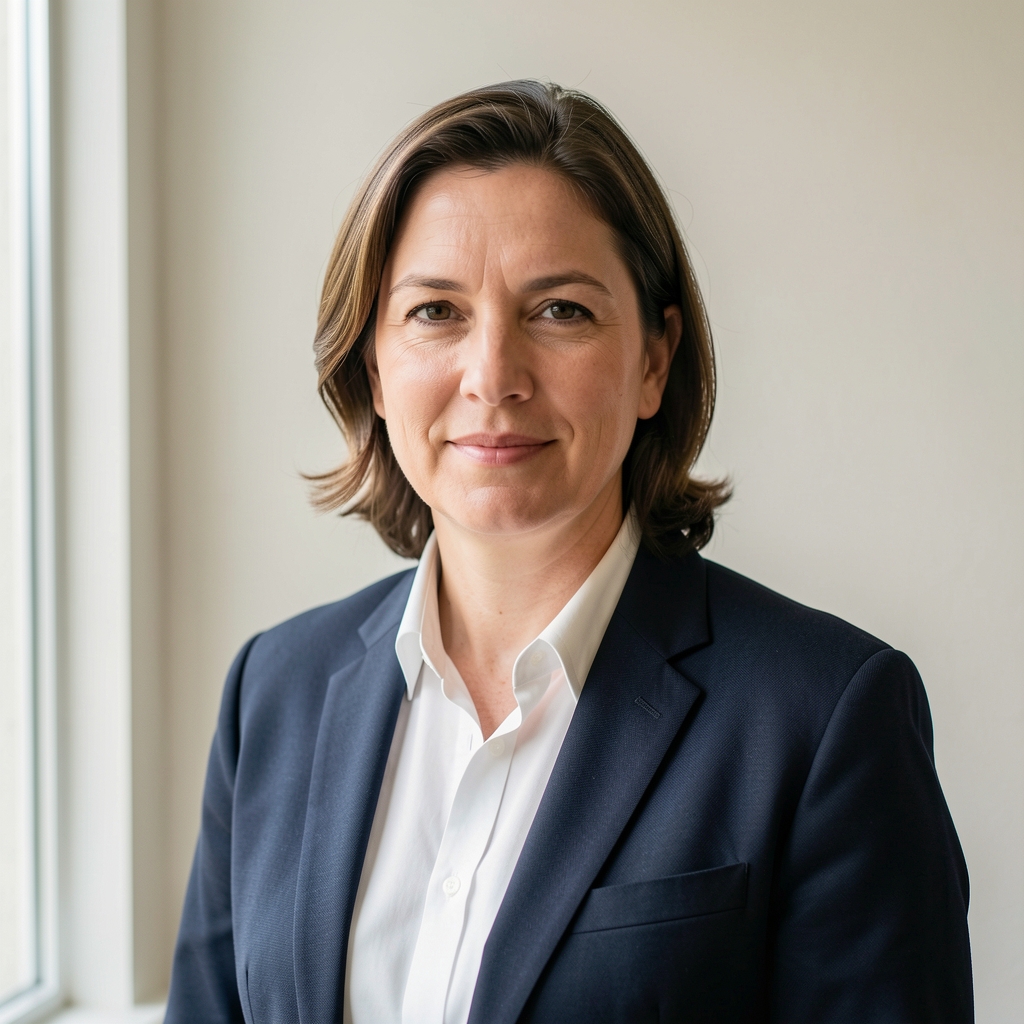
The impetus for Barlov Press was a particular frustration. Over twelve years of professional practice as a nutrition professional, Eleanor observed a consistent gap between the kind of nutritional conversation that takes place in specialist or educational settings and the kind that reaches most people through popular media. The specialist conversation is careful, long-term, and concerned with pattern. The popular conversation is dramatic, short-term, and concerned with transformation.
The gap matters because most people do not live in specialist settings. They eat in offices and at kitchen tables and on commutes and standing over sinks in the late evening. The food they eat is shaped less by dietary guidelines than by what is available, what is habitual, what is quick, and what, in the moment, sounds good. The relationship between those everyday choices and weight across time is the subject that Barlov Press was founded to examine — carefully, in long form, without the urgency that tends to distort nutritional writing.
The journal takes its name from Barlov Lane, a small street in Clerkenwell that no longer exists on maps but which appeared on an 1851 survey of the area near what is now Farringdon Road. The name was chosen without particular significance: it was simply available, and it had the quality of a name that belongs to a place rather than to a concept, which seemed right for a journal concerned with the ordinary particulars of eating and weight in everyday life.
The journal publishes long-form writing on nutrition awareness, diet and weight, eating patterns, and the whole foods approach. Each piece draws on published nutritional research, the observations of qualified professionals, and the kind of sustained attention to ordinary food experience that only regular food journalling can produce. Articles are reviewed for editorial accuracy before publication. Corrections are noted publicly where required.
"The relationship between what one eats and how one's weight moves over time is almost always a story of pattern, not of episode. We publish that story." — Eleanor Whitfield, 2024
Barlov Press is an independent publication. It does not carry advertising, does not accept sponsored content, and does not promote specific dietary products or programmes. Its editorial position is that weight awareness, pursued with patience and attention rather than urgency, is accessible to most people — and that the first tool most people need is not a new diet but a more careful reading of what they are already eating.